If you’re curious about bourbon, you’ve probably seen the term proof on the bottle label and wondered exactly what it means. Is a higher proof always better? Does proof tell you how “strong” or “hot” a bourbon tastes? And how does it connect to the flavors that make bourbon so beloved—from sweet vanilla to spicy rye notes or rich toasted oak?
Let’s break down proof explained in a way that respects personal taste, demystifies whiskey heat, and ties it all back to how the the mash bill shapes the drinking experience. Whether you’re sipping neat, on the rocks, or mixing a cocktail, understanding bourbon proof helps you choose the right bottle for your palate and occasion.
What Is Bourbon Proof?
The term proof simply refers to the alcohol content of the bourbon, expressed as twice the percentage of alcohol by volume (ABV). For example, a bourbon labeled 90 proof contains 45% ABV.
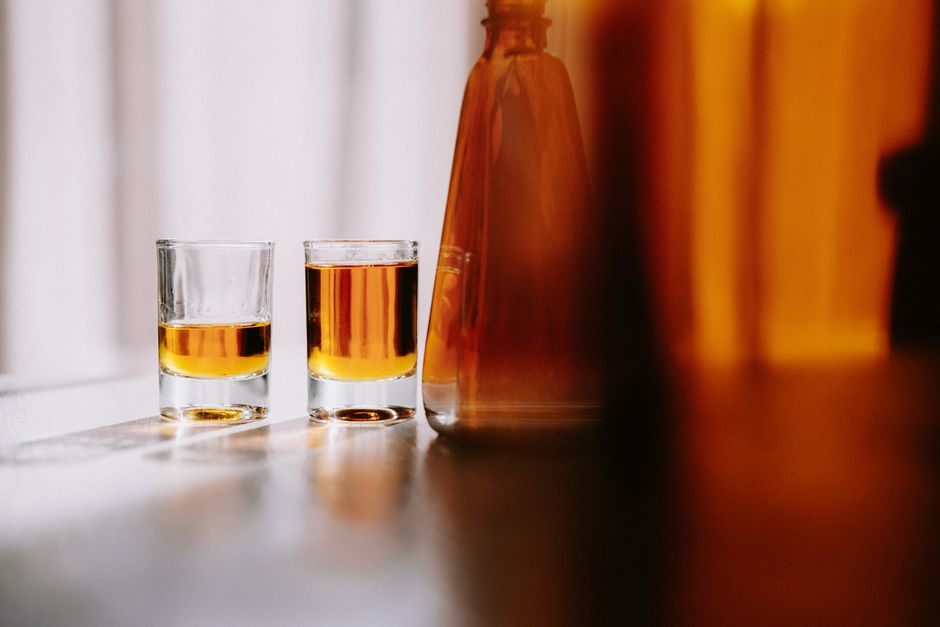
This numbering system dates back to historical methods where distillers tested their spirit’s strength by mixing it with gunpowder or setting it on fire to determine if it was “proof” enough. Today, it’s just a straightforward label showing how potent the bourbon is.
Proof and The Subjective Experience of Taste
One of my favorite questions to ask friends: “Neat, rocks, or cocktail?” The truth is, proof really interacts with how you drink the bourbon and your personal taste preferences.
- Neat: Higher-proof bourbons often deliver a punchier whiskey heat—sometimes described as “hot” or “spicy” on the palate. Adding a drop or two of water (like turning the volume knob down) can soften that heat and help the underlying flavors bloom. On the rocks: Ice chills and dilutes the spirit, taming both the heat and the intensity of flavors. Higher-proof bourbons can stand up well to melting ice, retaining flavor complexity without disappearing. Cocktails: Here, proof influences how well the bourbon holds up among other ingredients. A bourbon that's too low in proof might get lost in a complex cocktail, while a higher proof provides more presence and character.
Bottom line: Higher proof does not automatically mean better or harsher—it’s a tool that changes the flavor profile’s dynamics. This reminds me of something that happened thought they could save money but ended up paying more.. Personal preference rules here, so experiment with water, ice, or mixes to find what suits your palate.
Mapping Bourbon Flavors: Sweet, Spicy, Fruity, Oaky, and Dessert-Like
When I jot down tasting notes, I often map bourbon flavors into broad categories to understand how proof interacts with them:
- Sweet: Vanilla, caramel, honey, brown sugar. Spicy: Black pepper, cinnamon, clove, baking spices. Fruity: Dark fruit, dried apricot, cherry, citrus zest. Oaky: Toasted wood, charred barrel, cedar, leather. Dessert-like: Chocolate, toffee, butterscotch, crème brûlée.
Higher-proof bourbons often emphasize the intensity of these flavors, especially spice and oak notes—which can come across as more vivid or robust (sometimes mistaken for “heat”). Meanwhile, lower-proof expressions may highlight the smoothness and subtle sweetness more clearly.

Proof vs. Perceived Heat: Not Always the Same Thing
It’s a common mistake to equate high proof with harsh, burning whiskey heat. But “heat” is subjective and affected by factors like:
- Distillation and filtering: Some bourbons smooth out sharp alcohol notes, making even high proof expressions seem creamy rather than hot. Mash bill composition: The grain mix influences how spicy or mellow the bourbon tastes (more on this next). Personal palate sensitivity: Some tasters are more sensitive to alcohol burn and should approach higher proof bottles more cautiously. Serving temperature and add-ins: Diluting bourbon with water or ice modulates heat without thinning flavor.
I always porchdrinking.com recommend starting with neat tasting and adding water dropwise—think of it like adjusting your volume knob—to dial the intensity to your liking.
How the Mash Bill Impacts Bourbon Proof and Flavor
Mash bill — the combination of grains used to make bourbon — directly impacts flavor and how proof plays out on your palate. The three primary grains are:
- Corn: By law, bourbon must be at least 51% corn, which lends inherent sweetness (think caramel and vanilla). Corn-heavy mash bills often feel smooth and round, even at higher proofs. Rye: Adds spicy, peppery notes and a somewhat dry finish. Rye heavy bourbons usually feel bolder and more “zingy,” which can amplify the perceived heat of a high-proof bourbon. Wheat: Imparts soft, gently sweet flavors and a creamy mouthfeel, usually mellowing the harshness even in stronger proofs.
For example, a 100-proof rye-heavy bourbon might feel intense, with prominent spice and heat, while a 100-proof wheated bourbon delivers richness and sweetness without overwhelming bite.
Quick Mash Bill and Proof Flavor Impact Chart
Mash Bill Type Typical Flavor Profile Proof & Perceived Heat High Corn (≥70%) Sweet, smooth, vanilla-forward Higher proof tends to feel sweet with balanced warmth High Rye (≥20%) Spicy, peppery, dry finish Higher proof magnifies spice and perceived heat High Wheat (≥15%) Soft, creamy, gentle sweetness Higher proof presents a smooth, full-bodied warmthWhy Proof Matters When Choosing Your Next Bourbon
Armed with a better understanding of proof, you can approach bourbon shopping more confidently:
Decide how you like to enjoy bourbon: Neat drinkers might appreciate higher proof for fuller expression, while cocktail fans or ice drinkers might prefer lower-proof or more mellow bottles. Consider your palate’s heat tolerance: If you’re new or sensitive to whiskey heat, start lower and experiment with water drops to slowly increase intensity. Read mash bill info: Knowing if a bourbon is wheated or rye-heavy clues you into how proof will influence its flavor profile and perceived heat. Taste with an open mind: Remember that scores and jargon don’t tell your story. Your own palate decides if a bourbon is “right.”Ultimately, bourbon proof is a measure of intensity, not quality. It’s a dial you can turn up or down depending on how you drink and what flavors you want to highlight.
Spread the Word: Share This Bourbon Proof Guide
If this article helped you decode proof explained and sharpen your bourbon senses, please consider sharing it on your favorite social networks! Click below to spread the love of whiskey knowledge:
- Share on Facebook Share on X (formerly Twitter)
Final Thoughts
Next time you’re looking at a bourbon bottle, don’t just glance at the proof — think about what it means for your flavor experience. Is that 100-proof bourbon going to light up your taste buds with spicy rye heat, or will its wheated notes make it a warm, smooth hug in a glass? Adjust with water, chill or try it in a cocktail, and you might find new depth and enjoyment you didn’t expect.
Always remember: the “best” bourbon is the one you enjoy — proof and all.